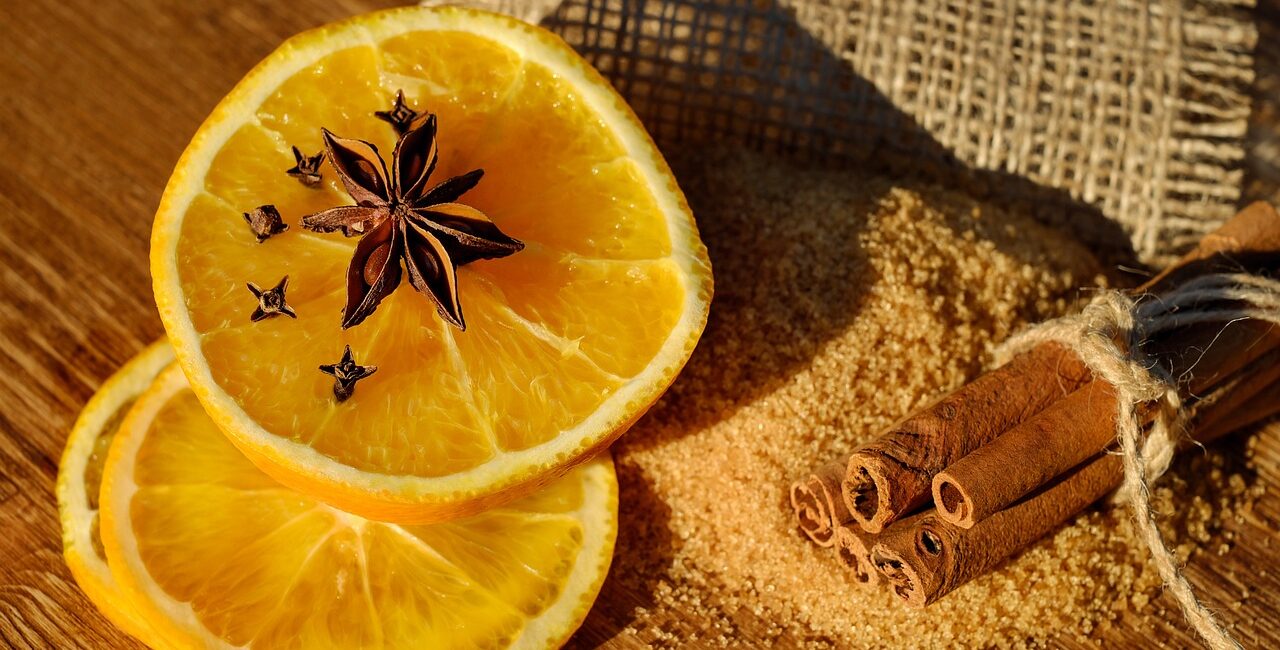
In the word Dalchini, why chini would have been added to Dal is not understood in the same way as it is not understood why Chini would have been added to the words kababchini or sheetalchini, chobchini etc. We know only one Chinese word which means sugar and the other means a resident of China. However, here is some useful information about cinnamon.

It is written in Bhav Prakash Nighantu-
Ukta Darusita Swadvi Tiktachanilpittahrit. Surbhi: Shukla Vyaan Mukhshosh Trishapaha.
Difference of name from difference of language-
Sanskrit- Darusita
Hindi- dalchini
Marathi – dalchini
Telugu- dalchini, Sanlifu
Tamil – Karuya, Ilvangam
Persian – darchini
English- Cinnamon bark
Latin- Cinnamomum Zeylanicum
Gujarati- Patlitaj, dalchini
Bengali- daruchini
Introduction– Spice known as cinnamon is made from the inner bark of trees in the Cinnamomum genus. It has been utilised for countless years in traditional remedies and a variety of cuisines. The toasty, sweet flavour of cinnamon is well-known for enhancing both sweet and savoury meals. It is frequently used in curries, hot beverages, sweets, and baking. Cinnamon has also been linked to various health advantages, including anti-inflammatory and antioxidant qualities, and it might help control blood sugar levels. While cinnamon can add flavour to your diet, its possible health benefits can vary and shouldn’t be used as a substitute for seeking medical advice from a qualified practitioner. Mainly it is of three types.
- Chine– It comes from the country of China and is known as Cassia Cinnamon.
- Sinhalese – It comes from Sri Lanka, is thinner and is sweeter and less pungent than China’s lentils. In Bhav Prakash Nighantu, this has been described by the name of Darusita and we are also presenting this description of Sri Lankan Sinhalese cinnamon.
- Indian – It is produced in the Himalayan region, especially in the regions of Assam and Sikkim. In Latin it is called Cinnamomum Tamala and in India it is called Taj. It is thick, less pungent and becomes pliable when ground in water and has low quality. Its leaf is known as ‘Tejpatra’ or ‘Tejpan’. In all varieties ‘Sinhalese Cinnamon’ special aromatic and sweet considered best by having.
Qualities– It is sweet, bitter, charpi, aromatic, semen-enhancing, improving the complexion of the skin. And it is supposed to suppress vata, pitta, dry mouth and thirst etc. It is bitter, light, dry and pungent when Vipak occurs. It is tropical by nature.
Chemical composition – The bark contains an oil from half to one percent, which contains Cinnamaldehyde 50 to 65% and Eugenol 60 to 75%. The oil of the leaves contains 70 to 95% eugenol, similar to that of cloves
Uses– Mainly cinnamon bark and oil are used, that too in very limited quantity. Due to its oil containing acidic elements, it proves useful in destroying insects and worms. Its use is prohibited for pregnant women and since consuming excessive amounts of cinnamon is harmful, consuming it in excess is prohibited for all. Here some beneficial experiments are being presented for home remedies.
- Headache – Cinnamon oil 1-2 to relieve headache caused by the effect of cold one drop should be rubbed on the forehead.
- Diarrhea – Cinnamon Powder and Ground Nuts Mixing 1-1 grams and throwing it with water in the morning and evening, diarrhea caused by indigestion stops.
- Indigestion– Cinnamon, dried ginger and cardamom, mix fine powder of all three (1.5 or 2 grams in total quantity) and drink 1-2 sips of water half an hour before meals
- Lisp – Keeping a small piece of cinnamon in the mouth and sucking it continuously for several days stops lisp.
- cough– Mixing fine powder of cinnamon and manju fruit on it, should be applied with finger and saliva should be kept spitting. Cough is cured by this experiment.
• People suffering from cough should consume half teaspoon cinnamon powder with 2 teaspoons honey in the morning and evening. This gives relief from cough.
Make a decoction of cinnamon leaves. Consuming 10-20 ml quantity cures cough.
• Mix one teaspoon of honey in one fourth teaspoon of cinnamon powder. Consuming it thrice a day provides relief in cough and diarrhoea.
- Common Cold– Heat cinnamon by grinding it in water, and apply it in the form of a paste. This is beneficial in cold.
•Taking out the juice of cinnamon and applying it on the head is also beneficial.
In conclusion, the unique flavour and aroma of cinnamon have the potential to provide health advantages in addition to its gastronomic appeal. According to studies, cinnamon may have blood sugar-regulating, anti-inflammatory, and antioxidant qualities. Due to its adaptability, it can be used in both savoury and sweet culinary creations. But it’s important to include cinnamon in a well-balanced diet instead of using it as a stand-alone treatment. Responses from individuals may differ, so speaking with medical specialists is advised—especially for people who are on medication or have pre-existing health issues. Although a well-rounded diet and moderation are always important, cinnamon can be a tasty supplement to a healthy lifestyle.
READ MORE : Vitamin C