In this article, we’ll talk about vitamin C’s functions in the body and its many health advantages.
Vitamin C is an important nutrient that helps to dispel scurvy disease and has been isolated from lemon juice in 1932.
Vitamin C’s Functions
- Chemical nature and Properties
Vitamin C is manufactured by glucose in all animals, except humans, monkeys and guinea pigs, and its chemical composition and properties are similar to that of glucose.
Vitamin C is a white resinous substance that dissolves easily in water and quickly gets oxidized. It is not affected by contact with air, heat and metals, but when in liquid state, it gets destroyed when it comes in contact with air, heat and metals. It also gets destroyed in the presence of high temperature, alkalies and oxygen. This is why sour substances are kept in galvanized utensils since ancient times.The most important details in this text are that sour substances are kept in galvanized utensils since ancient times, and that taking various precautions before, during and after cooking food items containing vitamins is important for maintaining this vitamin in food items. Baking soda should not be used during cooking, as it is a common practice in the Indian method of cooking to make food items fluffy, light and spongy, but it is responsible for destroying the vitamin C present in food items. Therefore, it is important to take various precautions before, during and after cooking food items containing vitamins.
The most important details in this text are that it is beneficial to cut vegetables into large pieces and cook them immediately after cutting, and to keep cooked foods and fruit juices covered. Additionally, it is safe to use only the amount of water that is needed when cooking vegetables, and to use the excess water for kneading roti or flour, lentils, etc. Finally, it is better to use a pressure cooker because of its specialty of retaining nutrients. With its use, water and temperature are available to the food items as per the requirement for cooking and the food items are cooked even when covered.
- Digestion & Absorption-
Vitamin C is a water-soluble vitamin that is easily absorbed and reaches various tissues of the body. It is useful in the form of an element that makes a substance called collagen, which is destroyed in the event of injury or surgery. This ascorbic acid helps maintain the health of connective tissues, which is why it is considered helpful in quick healing of wounds.k
Vitamin C is essential for the proper growth of cells and tissues in the body, especially for those involved in the process of metabolism. In the event of stress, the production of vitamin C is reduced and the need increases. It is also helpful in the formation and development of hemoglobin and red blood cells, as it increases the absorption of iron and helps in converting iron element and folic acid into active form.
Vitamin C is essential for the body’s immune system, providing strength to the ducts of the nose, throat and respiratory system. It is also necessary for the growth, development and integrity of body cells and tissues, which increases during pregnancy, infancy and childhood. It is also necessary to keep teeth and gums healthy and strong. However, what amount of Vitamin C intake is effective and appropriate is still being researched.
Vitamin C is important for increasing the capacity of blood vessels and preventing the deposition of cholesterol on the inner lining of the blood vessels. It is also helpful in oxidation of certain amino acids such as phenyl-alanine and tyrosine, and is also beneficial for skin grafting as it protects the body from infection by creating the ability to fight microbes.
- Sources of Vitamin C
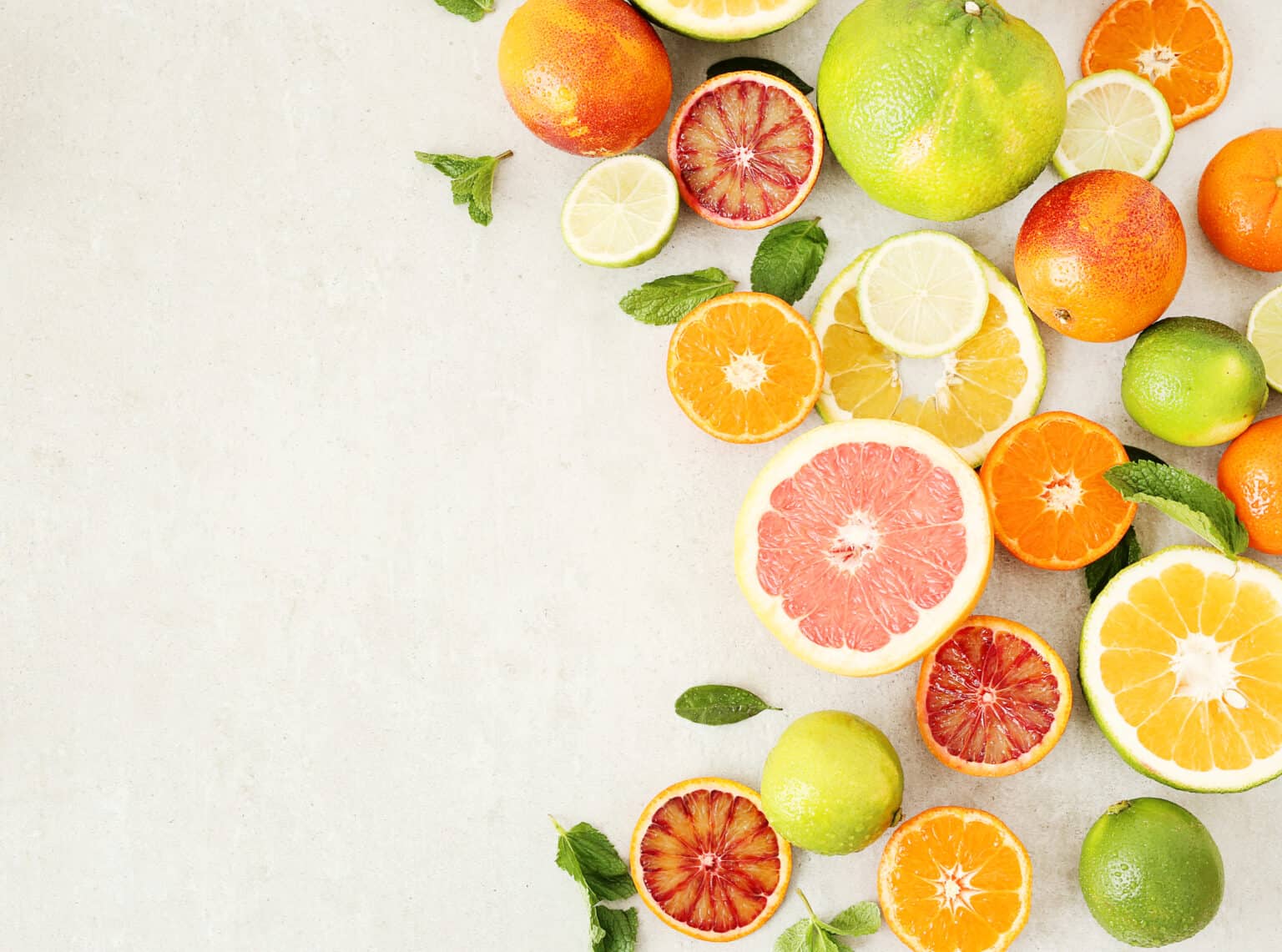
Vitamin C is found in fresh fruits and vegetables, such as citrus fruits like orange, lemon, sweet lime, Amla, Jam fruit, Anantras, Papaya, and dark green leafy vegetables such as lettuce, tomato, cabbage, turnip, sweet potato, and green chili. It is also found in dark green leafy vegetables such as lettuce, tomato, cabbage, turnip, sweet potato, and green chili.
Vitamin C is not found in whole beans, pulses and grains, but when sprouted, it is produced in sufficient quantity. Fresh milk contains small amounts of Vitamin C which becomes almost negligible when heated. Vitamin C cannot tolerate heat, so sufficient amount can be obtained by consuming fresh fruit juice and fresh vegetables. Additionally, boiling foods for a long time, cooking in open utensils for a long time, throwing away the water used in cooking, heating repeatedly and using baking soda or baking powder can lead to the formation of these substances. To prevent loss of Vitamin C, do not keep food items open, wash fruits and vegetables before cutting, cut into large pieces, cook in pressure cooker and cover before serving and re-refrigerate food. It is advisable not to heat.

Daily Requirement- According to the Indian Council of Medical and Research (ICMR), the daily requirement of Vitamin C in different age groups and stages is as per the following details –
Group VIT. C (mL/day)
Adulthood 40
Pregnancy 40
Newborn
Lactation stage 80
Children up to 1 year 25
After 18 year 40
- Vitamin C Deficient
The deficiency of vitamin C can lead to symptoms such as weakness, tiredness, loss of appetite, pain in hands and feet, shortness of breath, and low immunity. If the deficiency persists for a long time, the blood vessels become fragile and start bursting easily, leading to bleeding inside the body. A disease called scurvy is caused by the deficiency of this vitamin, which has different symptoms in children and adults.
Scurvy in infants is called infantile scurvy and is caused by a lack of vitamin C in the baby’s milk. Symptoms of scurvy include loss of appetite, restlessness, irritability, vomiting, fever, infection, swelling at the ends of bones, accumulation of blood under the skin, lack of bone growth, softening of bones, etc. The gums become swollen and flabby and they start bleeding, which has a bad effect on the process of tooth extraction. When the condition becomes serious, convulsions start coming in the body of the baby, and if there is no proper treatment, the baby may die.
Scurvy is a disease caused by a lack of vitamin C in adults. It causes weakness and anemia, gums swell up and bleed, teeth fall loose, blood vessels burst, blue and black spots appear on the skin, and wounds do not heal quickly due to collagen fibers not being formed quickly. These symptoms appear when adults have scurvy disease.
Treatment for scurvy involves drinking orange juice daily for a few days, 500 to 1000 ml per day in advanced stages, and giving vitamin C by mouth daily for a week. In serious cases, proper treatment from the doctor is necessary. Diet should be balanced to ensure the body gets all the essential nutrients and remains healthy.
Vitamin C’s Food
- Foods Rich in Vitamin C
Food Vita.C (ml)
Leafy vegetables
- Amaranth 179
- Green Coriander 135
- drumstick leaves 220
- Mint leaves 27
- radish leaves 81
- Green Turnip Leaves 180
- Carrot leaves 79
- Fenugreek leaves 52
- Mustard leaves 33
- Spinach Leave 28
Tubers
- Beetroot 10
- Onion 11
- Potato 17
- Radish 15
- sweet potato 24
- Tumip 43
Other
- drumstick beans 120
- green tomatoes 31
- Ripe Tomatoes 27
- guar pods 49
- Green Chilli 111
- Dry Chilli 49
Fruit
- Amla 600
- Jam Fruit 212
- Lemon 39
- Sweet Limetta 50
- Ripe Mango 16
- Watermelon 26
- Orange 30
- orange juice 64
- Muskmelon 16
- Papaya 57
- Phalsa 22
- Pineapple 39
- Pomegranate 16
- Rus berry 30
- Sita fruit 37
- Strawberry 52
Milk
- Milk (Cow) 2
- Milk ( Goat) 1
- Curd 1
In conclusion, Vitamin C is essential for many body processes and can be found in large amounts in fruits and vegetables such as Amaranth broccoli, strawberries, oranges, and bell peppers. In addition to strengthening the immune system and helping the body produce collagen for healthy skin, bones, and tissues, it acts as an antioxidant and facilitates the absorption of iron. Frequent consumption of foods high in vitamin C is crucial for general health and wellbeing.
READ MORE : HEALTHY DIET HEALTHY MIND
READ MORE: HOME REMEDIES OF TURMERIC
READ MORE: CINNAMON AND ITS USES