Guarantee that the meals you prepare for your family have the greatest possible health advantages, it is crucial to preserve the nutritional value of food during cooking. To sustain optimal health, strengthen the immune system, promote growth, and fend off disease, nutrients such as vitamins, minerals, and antioxidants are critical. These nutrients are readily lost through overcooking, and using too much heat, or water when cooking. Proper cooking techniques help preserve these nutrients. You can improve digestion, your diet’s overall quality, and your long-term health by emphasizing maintaining food’s nutritional value.
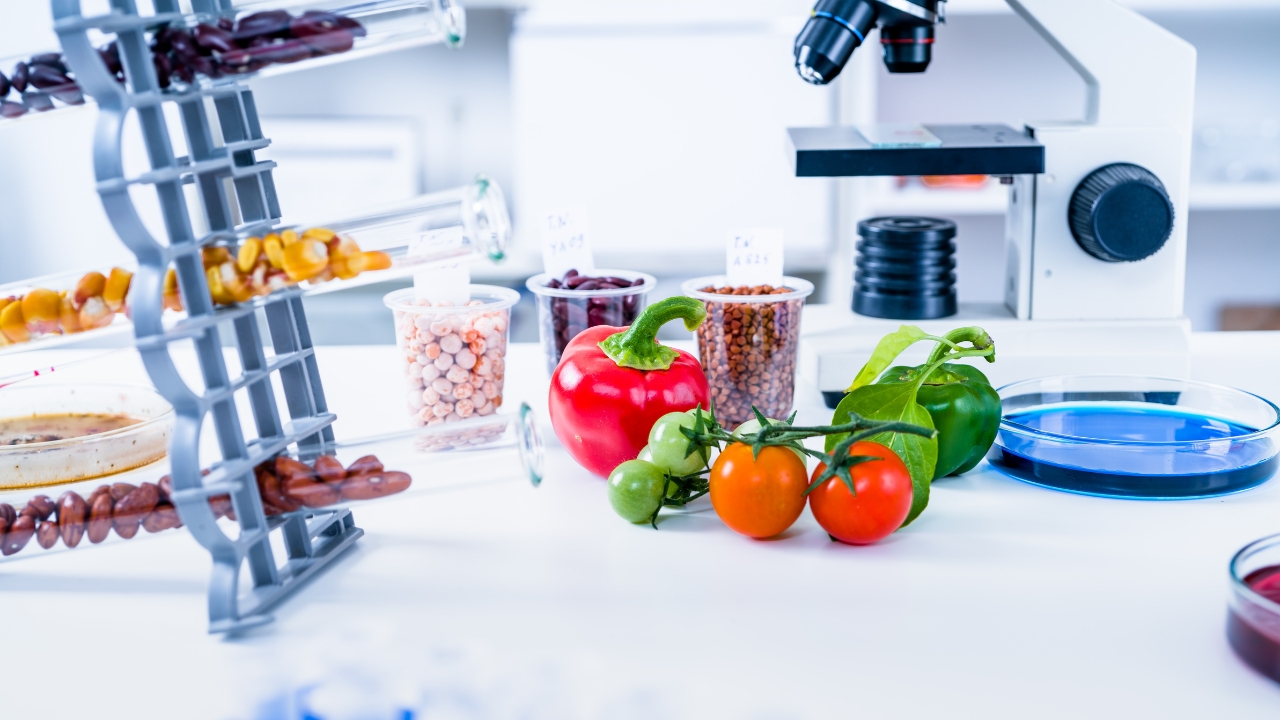
Although women are skilled chefs, using Smart cooking methods to make the most of your meals is the first step towards preserving the nutritious worth of your food. Making small changes, such as switching to stir-frying, steaming, or sauting, can help preserve vital vitamins and minerals and keep your meals full of nutrients. You may maintain the nutritional value of your ingredients and stop nutrient loss by cooking at lower temperatures, using less water, and avoiding overcooking. Including good fats in your diet also facilitates the absorption of fat-soluble vitamins, which increases the nutritional value of your food. Not only does smart cooking preserve the natural goodness of your food for improved general health, but it also enhances flavour. In this section, we will discuss a few of these typical mistakes and their situations-
Mistake #1 – Boil veggies and sprouts in water and then discard them.

Situation: boil the veggies and sprouts to make them full of B complex vitamins. The majority of B vitamins dissolve in water. These B complex vitamins are eliminated during the boiling process of vegetables and sprouts after the water has been drained. Thus, steam-cook veggies and sprouts rather than boiling them. When using boiled veggies, lentils, and sprouts, save their drained water instead of discarding it. Instead, you might use it as a gravy for other veggies. In addition, you can use the drained water to knead flour.
Mistake #2 – Chopping fruits and vegetables five to six hours before using them.
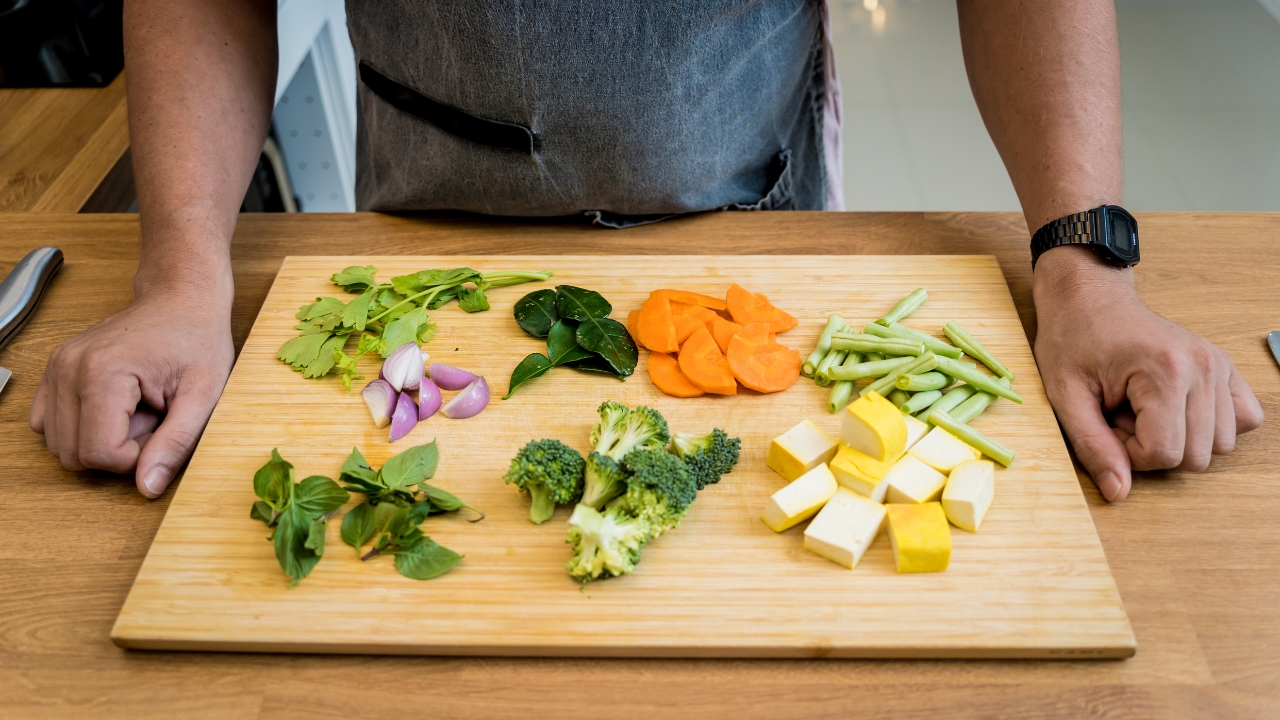
Solution: Cut fruits right before eating, and chop veggies right before cooking. Vitamin C and B complex vitamins are found in fruits and vegetables. If these are sliced and stored in light and heat for five to six hours beforehand, they will be ruined. In case you are pressed for time and need to chop and store fruits and vegetables, make sure they are tightly packed or covered in the refrigerator.
Mistake #3 – Pulling items out of the refrigerator and setting them on fire right away.
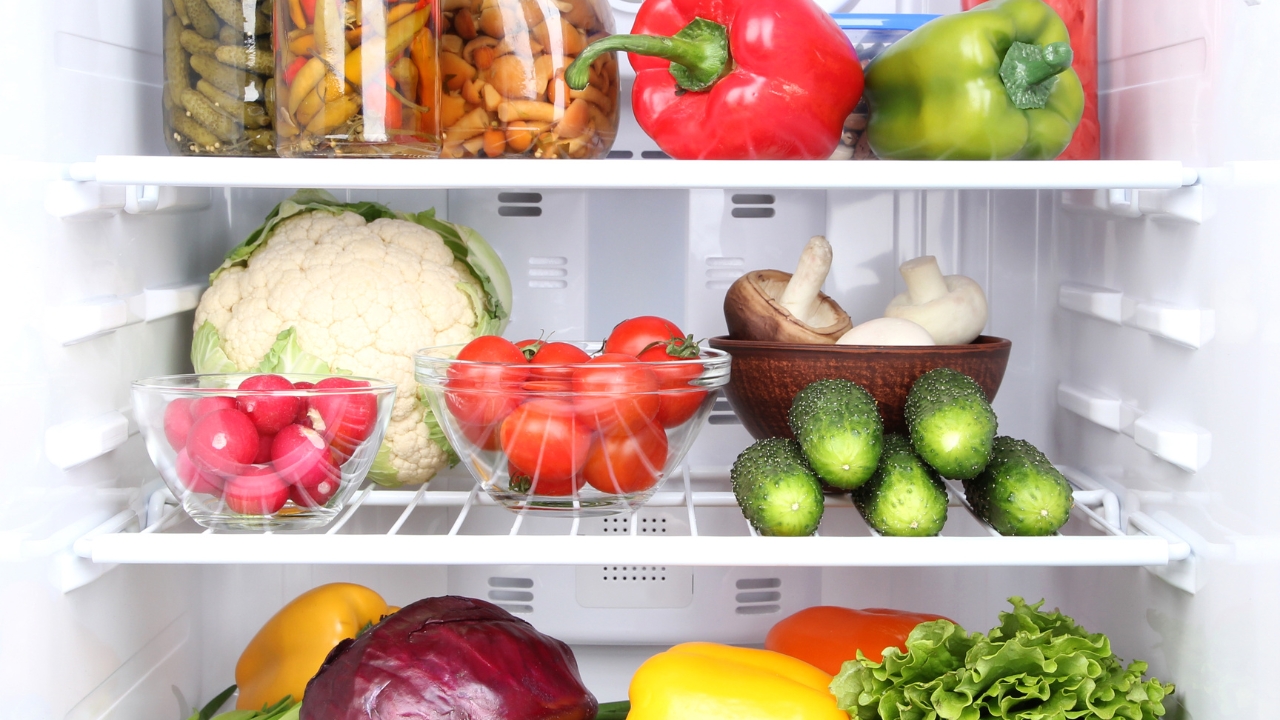
Solution: Take items out of the refrigerator 30 minutes before using them, such as milk, cream, butter, oatmeal, etc., to allow them to come to room temperature. Butter that has been taken out of the refrigerator will take longer to melt if it is placed directly on top of the flame. Cut the butter into small pieces and set it aside if you don’t have time to let it sit at room temperature. In a short while, it will get softer.
Mistake #4 – Using plastic containers or bowls while cooking in the microwave
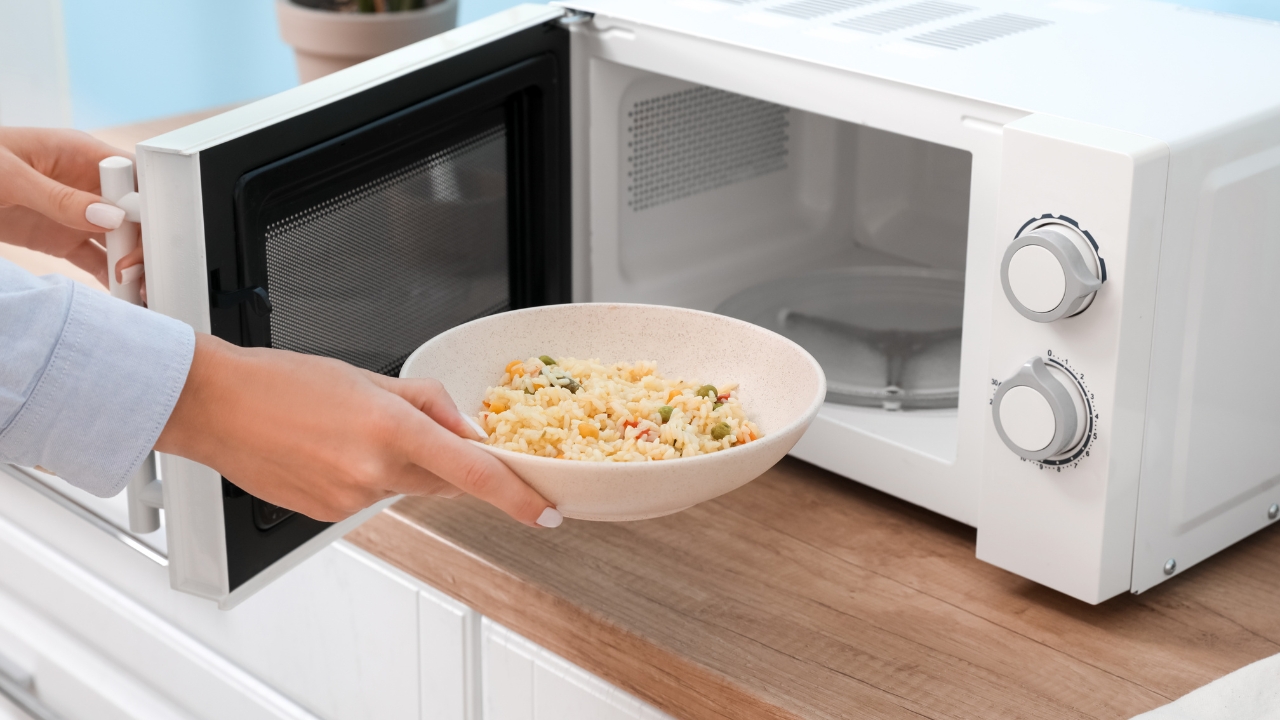
Solution: Microwaving food is the quickest method of cooking. Housewives frequently use plastic bowls or containers for their microwave cooking. These substances are utilized in the production of plastic bowls and containers, which can cause cancer. These substances combine with food when cooked in a plastic bowl in the microwave and enter our bodies, where they can lead to cancer. Use only microwave bowls for preparing food in the microwave.
Mistake #5 – Cooking food at the incorrect temperature.
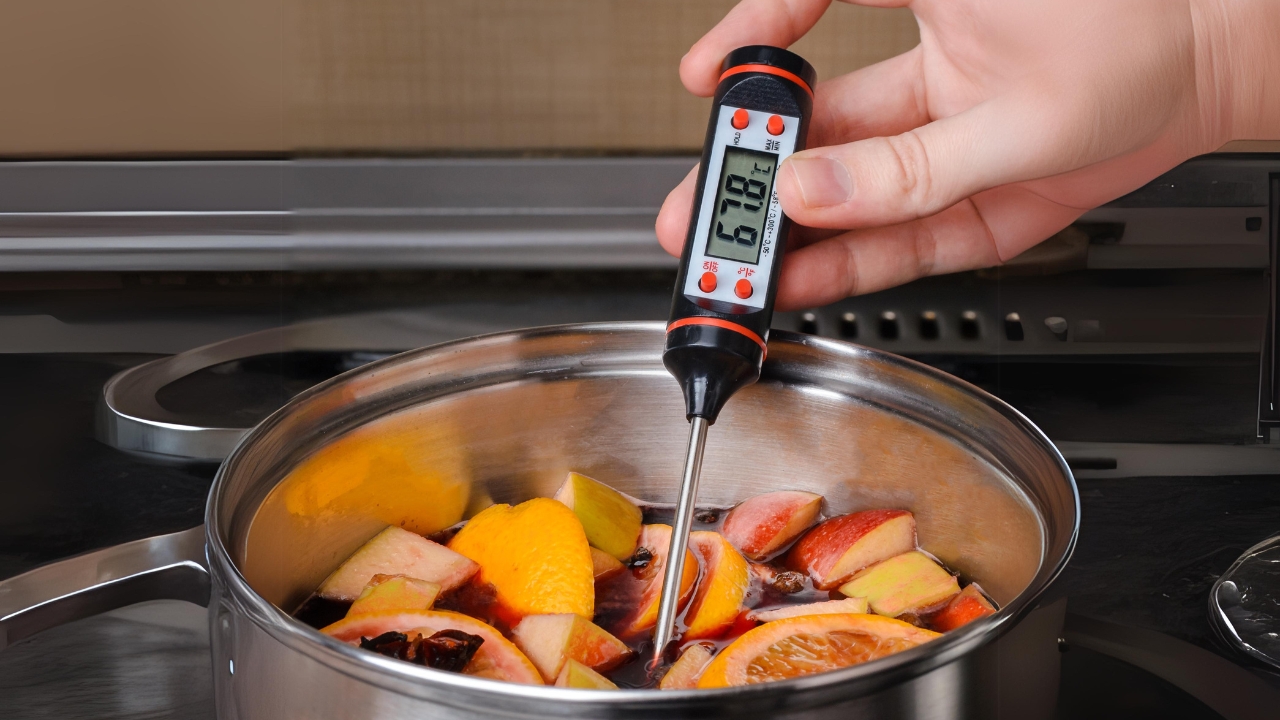
Solution: cook meals at the incorrect temperature, such as overly high or low heat. To save time, most women prepare food on high heat, which causes food (such as chicken, mutton, etc.) to cook on the exterior but stay uncooked within. Or cooking food at a hot flame burns it. In a similar vein, preparing food over very low heat uses more gas and takes longer. As a result, when preparing meals, remember two things above all else: the proper temperature and cooking time. To a large extent, you can cook correctly if you keep these two things in mind.
Mistake #6 – Improving the flavor with fresh seasoning.
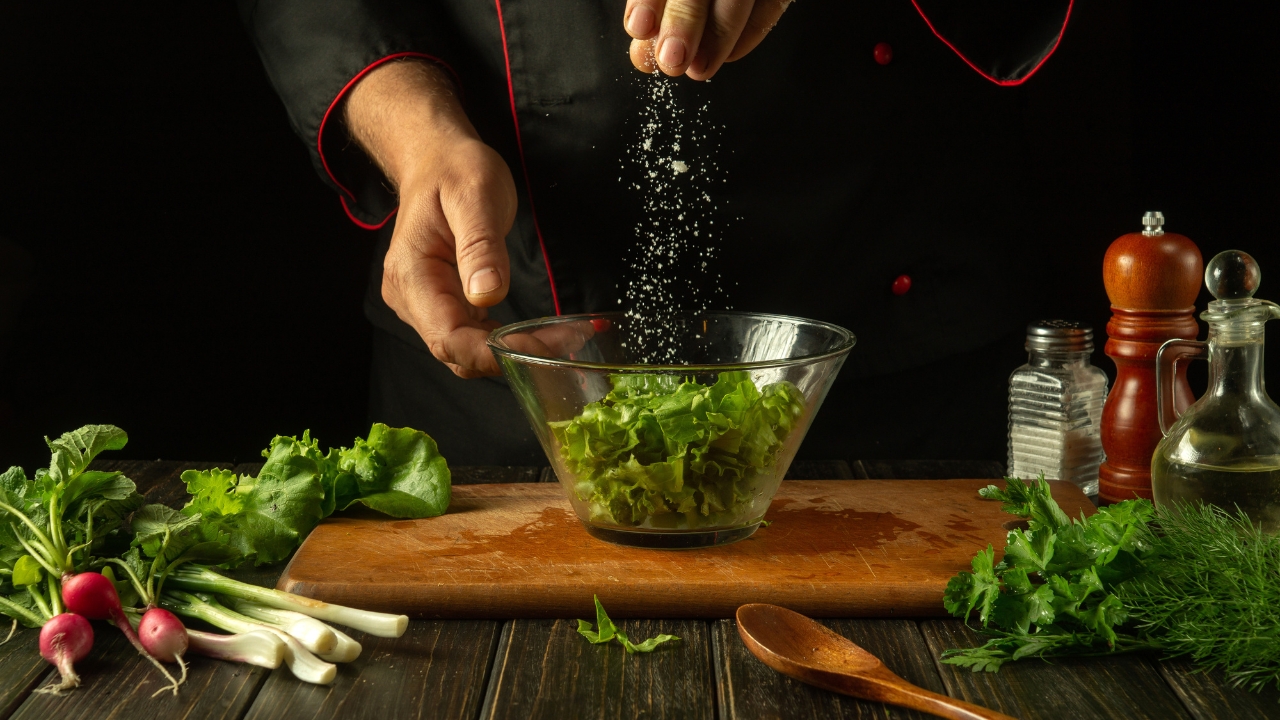
Solution: The sole purpose of seasoning food is to improve its flavor. For seasoning, add salt and black pepper powder. Elevated blood pressure can result from consuming extra salt in the diet. Use garlic, ginger, and herbs instead of salt if you must use seasoning. They won’t damage your health and will enhance the flavour of your cuisine.
Mistake #7 – Turning on the gas for the utensils before beginning to prepare.
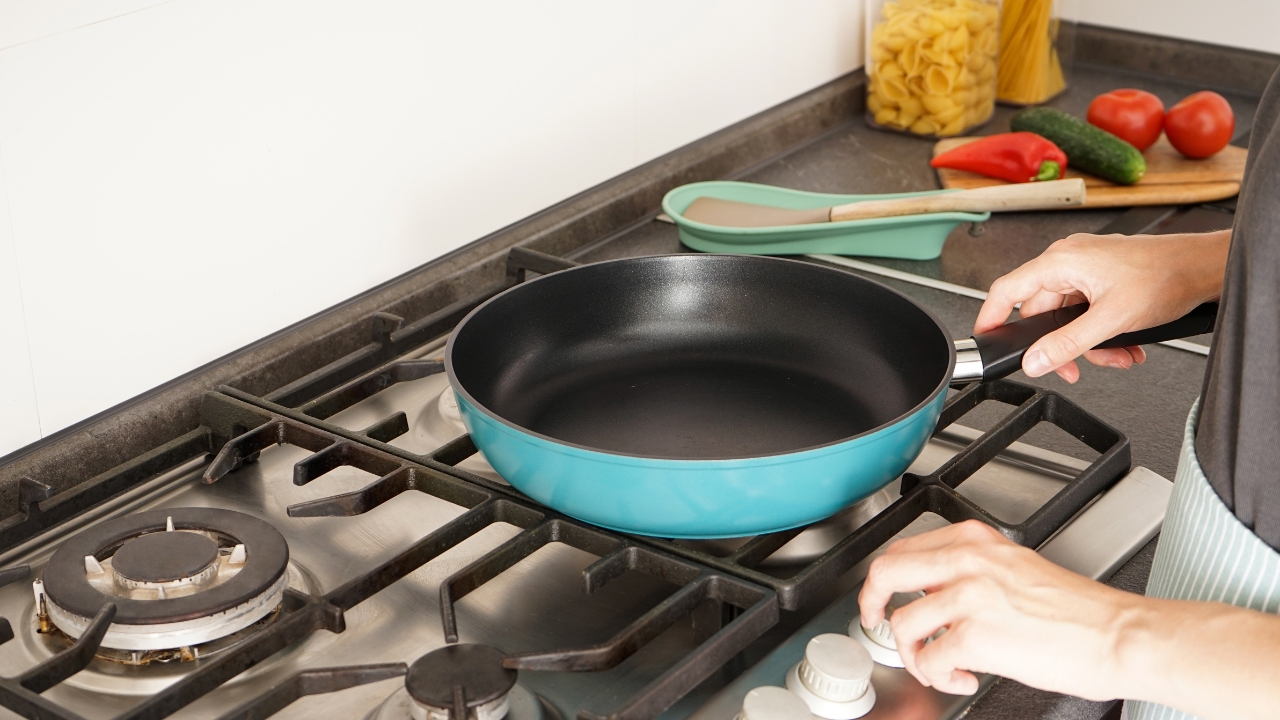
Solution: Prepare everything in advance before cooking. Most women put the pan or kadhai on the gas and then begin to prepare. This results in higher gas use and longer wait times. As a result, light the pan two to three minutes before cooking.
Mistake #8 – Cooking food without covering it.
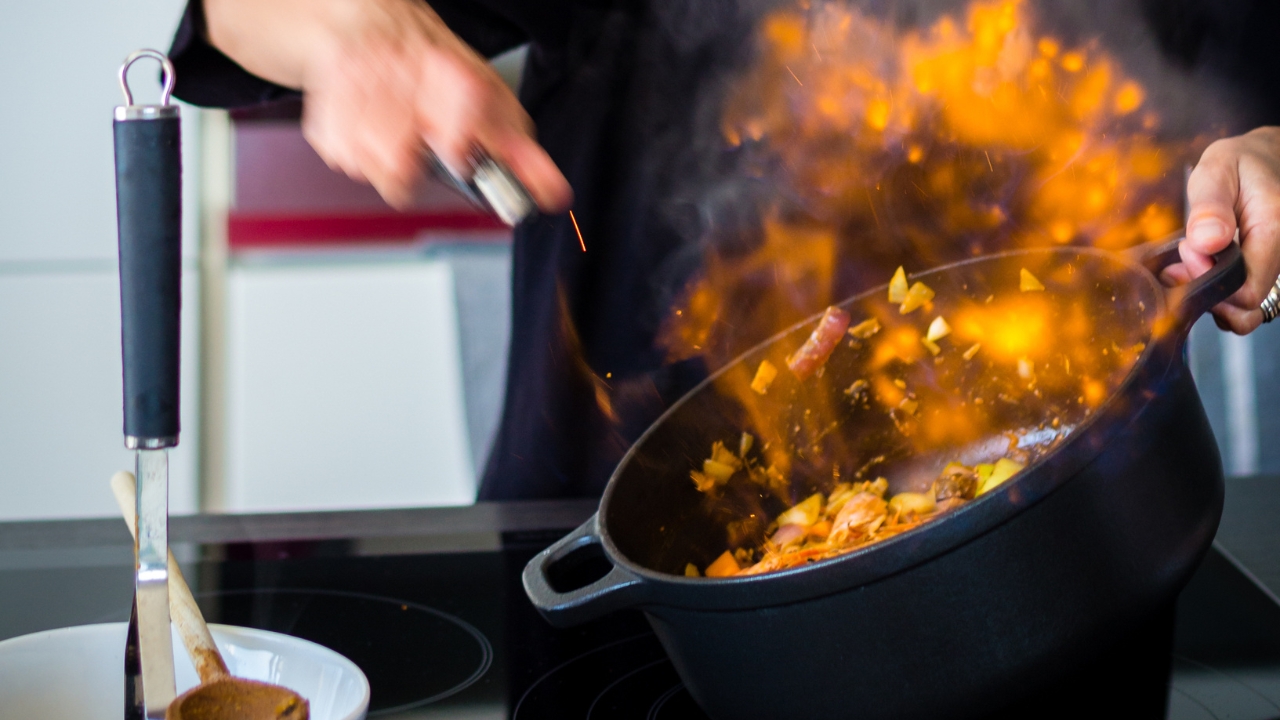
Solution: Always cover food when cooking it in a wok or pan. This expedites the cooking process without sacrificing the food’s nutritional value.
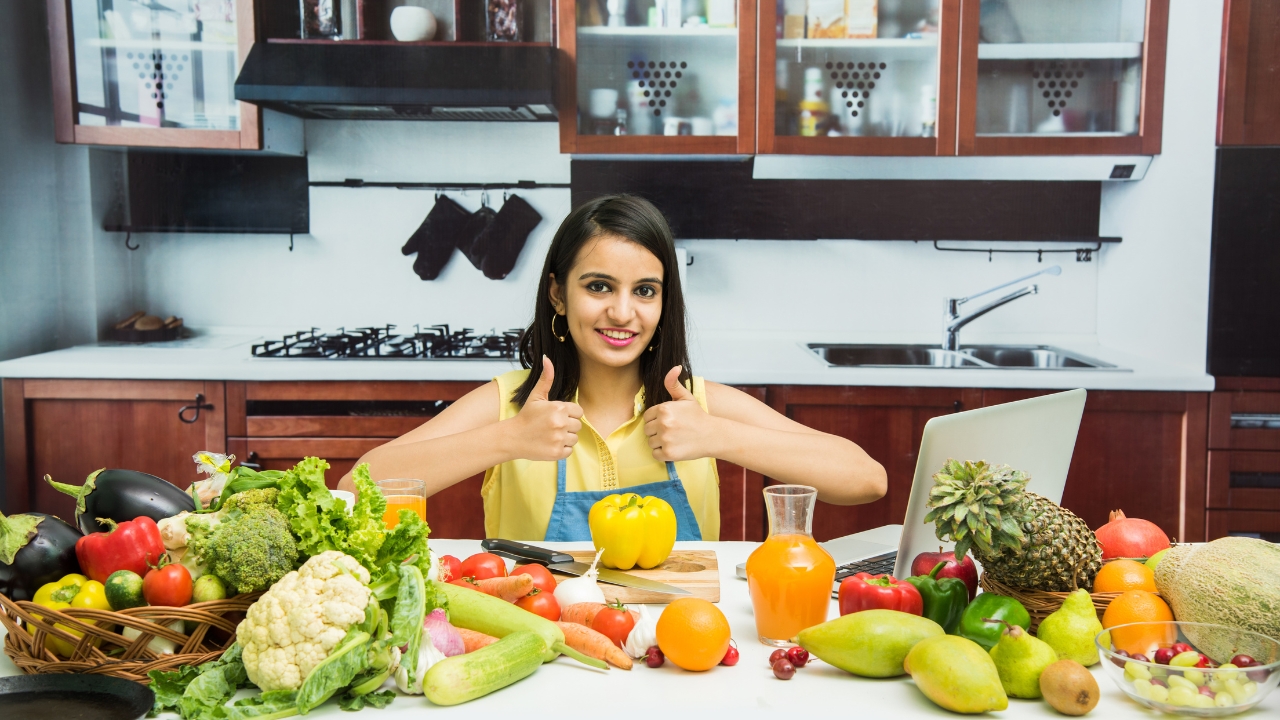
In conclusion, careful cooking methods including steaming, stir-frying, and using little water are necessary to maintain the nutritional content of food. Vitamins and minerals can be preserved by cooking food at lower temperatures rather than overcooking it. Nutrient retention is further enhanced by adding good fats and repurposing leftover cooking water in other recipes. These easy tips guarantee that your food stays tasty and nourishing.