A child’s diet is the cornerstone of their growth, development, and overall well-being. Providing them with a balanced and nutritious diet is one of the most important things you can do as a parent or caregiver. This article will explore the essential food groups and provide examples of foods that should be included in a child’s daily diet to ensure they thrive.
The Building Blocks of a Healthy Diet
A variety of foods from the following important food groups should be included in a well-rounded diet:
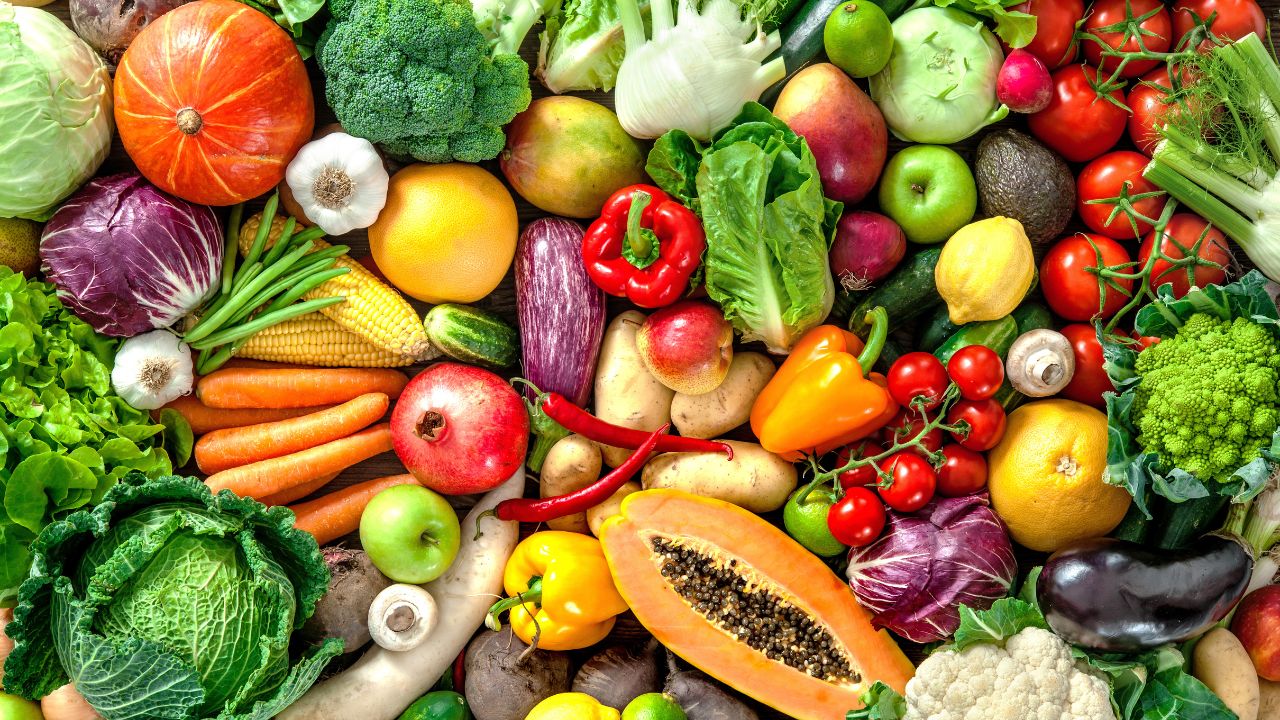
1. Fruits and Vegetables: Nature’s Colorful Candy
Why they’re important:
Fruits and vegetables are packed with essential vitamins, minerals, and antioxidants that are vital for a child’s health.
- Vitamins: Support various bodily functions, including growth, development, and immune system function.
- Minerals: Help build strong bones and teeth, and support healthy blood and other bodily processes.
- Antioxidants: Protect cells from damage, reducing the risk of chronic diseases.
How they help growth: The nutrients in fruits and vegetables support healthy growth and development, including bone growth, muscle development, and brain function.
Examples:
- Fruits: Apples, bananas, oranges, berries, grapes, mangoes, and watermelons are all excellent choices.
- Vegetables: Carrots, broccoli, spinach, sweet potatoes, bell peppers, and peas are just a few examples of nutrient-rich vegetables.
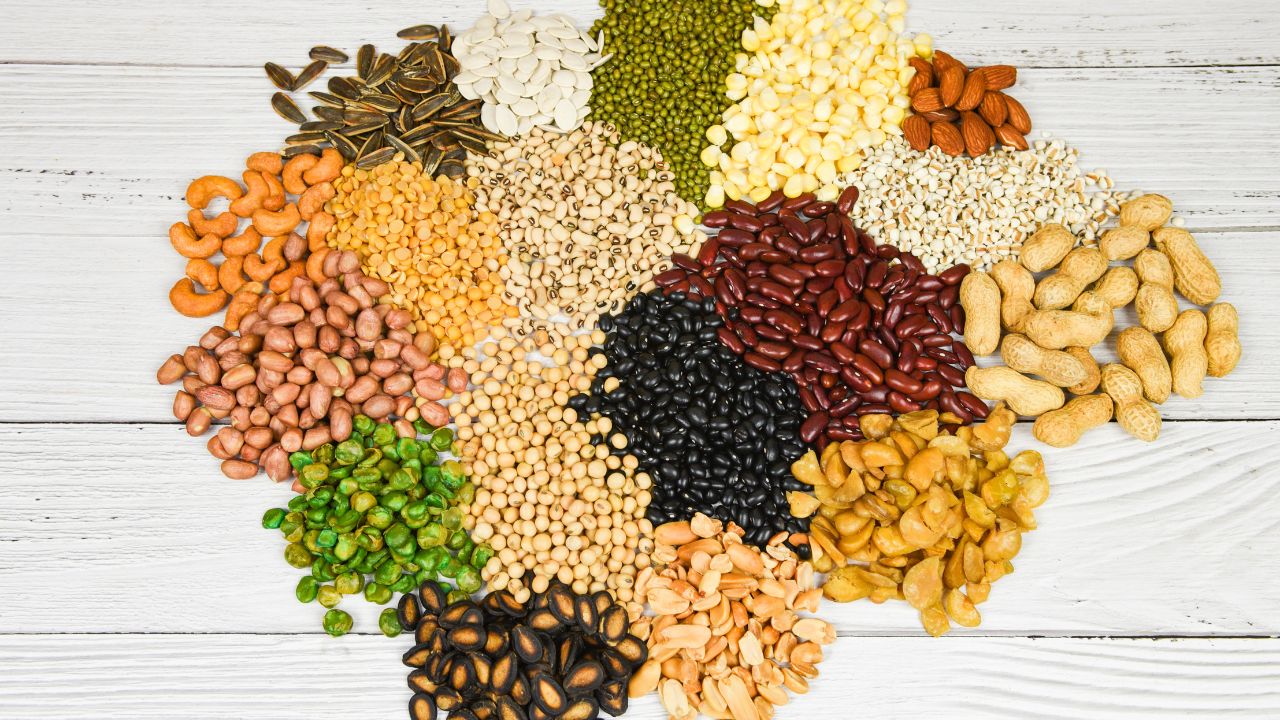
2. Whole Grains: The Energy Powerhouse
Why they’re important:
Whole grains provide sustained energy, fibre, and essential nutrients.
- Fiber: Promotes healthy digestion and helps children feel full and satisfied.
- Sustained energy: Provides a steady source of energy for active kids, supporting their physical activity and cognitive function.
How they help growth: Whole grains provide the energy needed for growth and development, and fibre helps regulate digestion and nutrient absorption.
Examples: Bread, pasta, rice, oats, and cereals are all good sources of whole grains.
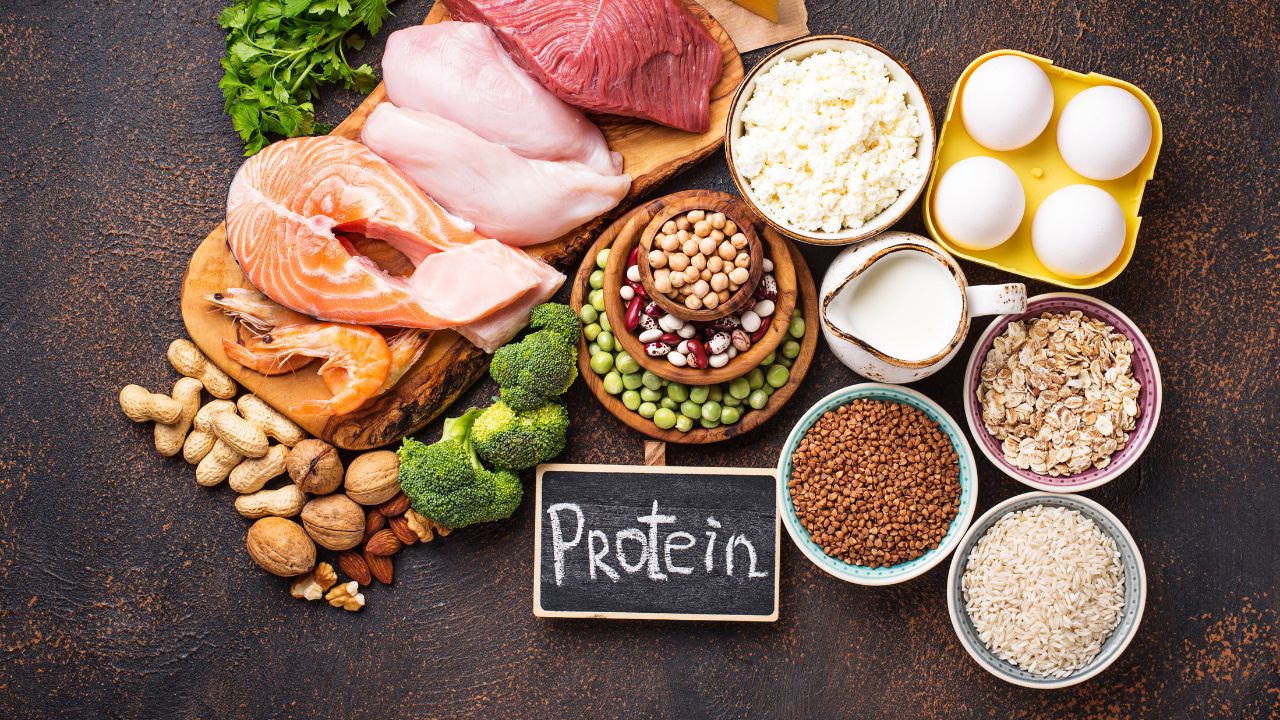
3. Protein: The Muscle Builder
Why it’s important:
Protein is essential for building and repairing tissues, as well as supporting growth and development.
- Building blocks: Protein is the building block of muscles, bones, and other tissues.
- Growth and repair: Protein is needed for growth and development, as well as for repairing tissues that are damaged or worn out.
How it helps growth: Protein is crucial for muscle growth and development, as well as for the growth and repair of other tissues in the body.
Examples:
- Lean meats: Lean beef, chicken, turkey, and fish are all good sources of protein.
- Eggs: are a nutritious and adaptable source of protein and other vital nutrients.
- Beans and legumes: Kidney beans, chickpeas, and lentils are plant-based protein powerhouses.
- Nuts and seeds: Almonds, walnuts, chia seeds, and flax seeds provide protein and healthy fats (ensure no allergies are present).
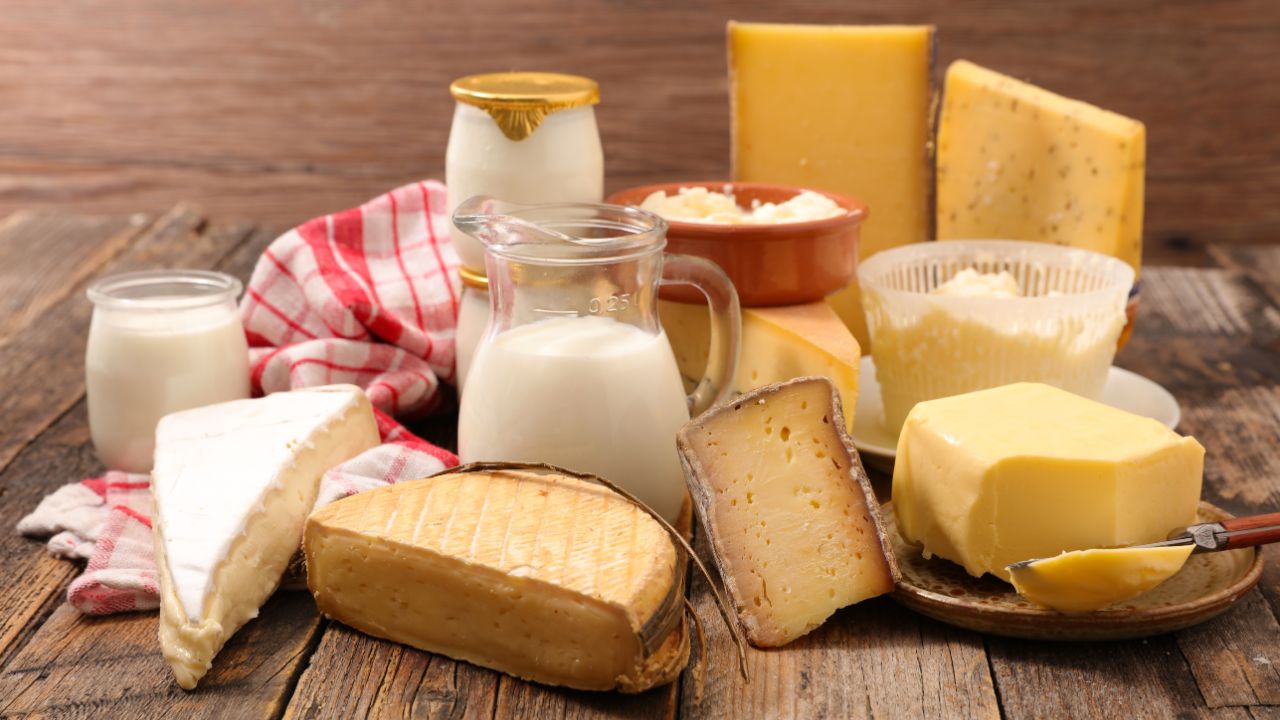
4. Dairy: The Bone Strengthener
Why it’s important:
Dairy products contain a lot of calcium, which is important for making teeth and bones strong.
- Calcium: The primary mineral that makes up bones and teeth.
- Vitamin D: helps the body to absorb calcium.
How it helps growth: Calcium and vitamin D are essential for bone growth and development, helping children achieve their full height potential and maintain strong bones throughout their lives.
Examples:
Milk, yoghurt, and cheese are all good sources of dairy. Reduce your intake of saturated fat by choosing nonfat or low-fat alternatives.
5. Healthy fats are good for your brain.
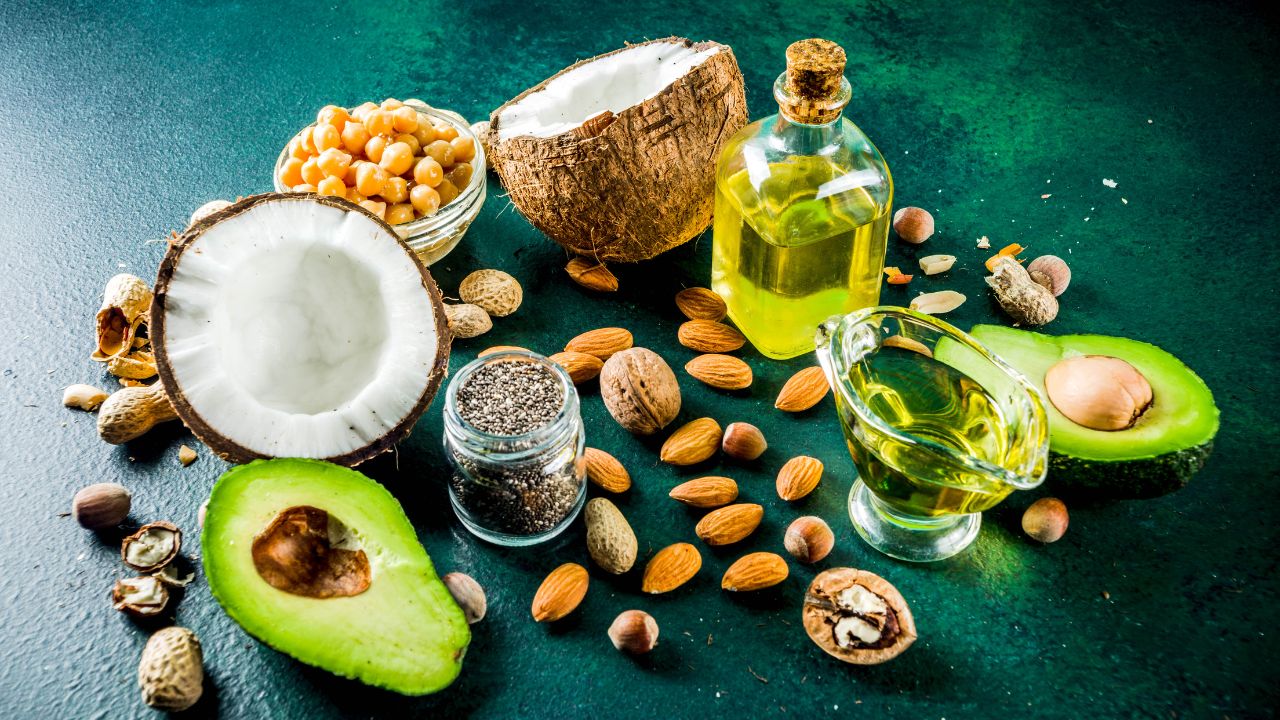
Why they’re important:
Healthy fats are essential for brain development and overall health.
- Brain development: Healthy fats support cognitive function, memory, and learning, making them essential for brain development and function.
- Cell growth: Fats are also important for cell growth and development throughout the body.
How they help growth: Healthy fats support brain development and function, as well as the growth and development of other tissues in the body.
Examples:
Olive oil, avocado, nuts, and seeds are all good sources of healthy fats.
Important Considerations

- Portion sizes: Consider your child’s age, activity level, and individual requirements when determining portion sizes.
- Variety: Offer a wide variety of foods from all food groups to ensure your child gets all the necessary nutrients.
- Limit processed foods: Minimize the intake of processed foods, sugary drinks, and unhealthy snacks, as they often lack nutritional value and can contribute to health problems.
- Hydration: Encourage your child to drink plenty of water throughout the day to stay hydrated.
Additional Tips:
- Make mealtimes enjoyable and stress-free. Create a positive and relaxed atmosphere during meals to encourage healthy eating habits.
- Involve your child in meal planning and preparation. This can help them develop an interest in healthy eating and make them more likely to try new foods.
- Offer healthy snacks between meals. Healthy snacks include yoghurt, nuts, fruits, and vegetables.
- Set a good example by eating healthy foods yourself.
Children frequently imitate their parents’ and caregivers’ eating habits. Remember, every child is unique, and their dietary needs may vary. If you have any concerns about your child’s diet or nutritional needs, it’s always best to consult with a paediatrician or a registered dietitian for personalized advice tailored to your child’s specific needs.
By providing your child with a balanced and nutritious diet, you are giving them the foundation for a healthy and happy life.