The Evolution of Restaurant Models in the Digital Age
The digital age has ushered in a new era of innovation and disruption in the restaurant industry. Among the emerging trends, ghost kitchens and delivery-only concepts have been gaining significant traction. These revolutionary restaurant models have reshaped the way food is prepared, served, and delivered to meet the evolving demands of modern consumers. In this article, we will delve into the concept of ghost kitchens and delivery-only restaurants, exploring their rise, advantages, and their impact on the food industry.
Understanding Ghost Kitchens and Delivery-Only Concepts:

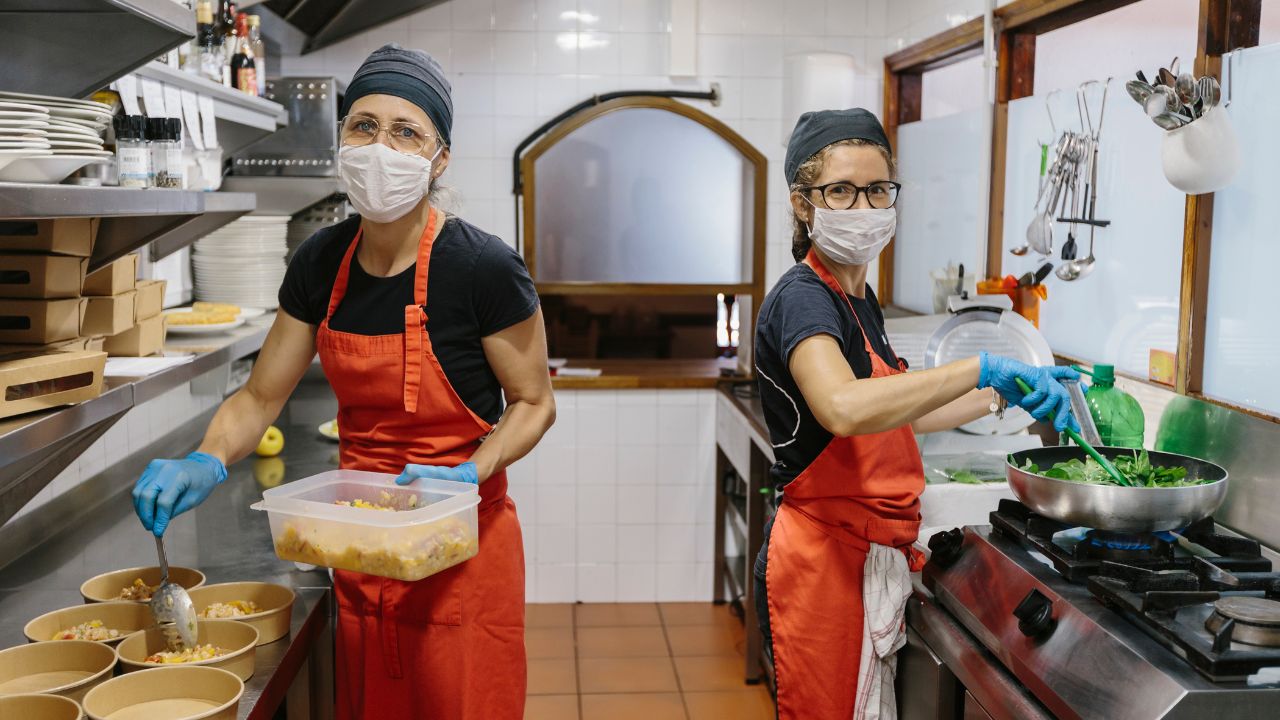
Ghost kitchens, also known as virtual kitchens, cloud kitchens, or dark kitchens, are professional food preparation facilities that operate solely to fulfill delivery orders. Unlike traditional restaurants, they do not have a physical dining space for customers. Instead, they focus entirely on preparing food for delivery through online platforms and third-party delivery services.
Delivery-Only Concepts:
Delivery-only concepts, sometimes referred to as virtual restaurants, are food establishments that operate exclusively for delivery and takeout orders. These concepts may operate within existing brick-and-mortar restaurants or as stand-alone entities, but they do not offer dine-in options.
The Rise of Ghost Kitchens and Delivery-Only Concepts:
- Evolving Consumer Preferences:
In an increasingly fast-paced world, convenience is a top priority for consumers. The rise of on-demand food delivery services and the popularity of meal delivery apps have led to a surge in demand for quick and efficient food delivery options.
- Cost-Efficiency:
Operating a traditional restaurant with a physical dining space involves significant overhead costs, including rent, utilities, and staff for front-of-house operations. Ghost kitchens and delivery-only concepts eliminate these expenses, making them a cost-efficient option for restaurateurs.
- Adaptability to Technology:
With the widespread adoption of mobile devices and the ease of online ordering, virtual kitchens can seamlessly integrate into various delivery platforms, reaching a broader customer base without investing in expensive marketing campaigns.
- Optimal Utilization of Space:
Ghost kitchens optimize space utilization by focusing solely on food preparation. This allows them to set up in smaller and less expensive locations, often in industrial areas or shared kitchen spaces.
Advantages of Ghost Kitchens and Delivery-Only Concepts:
- Enhanced Efficiency:
By eliminating the need for in-house dining service, ghost kitchens can focus exclusively on food preparation and order fulfillment. This streamlined approach leads to increased efficiency and faster order processing times.
- Geographic Expansion:
Delivery-only concepts and ghost kitchens are not limited by physical locations, enabling restaurants to serve customers in multiple areas and neighborhoods without setting up multiple branches.
- Reduced Environmental Footprint:
With a primary focus on delivery, these models often result in fewer food miles and a reduced environmental impact compared to traditional restaurants that serve customers on-site.
- Menu Experimentation and Flexibility:
Ghost kitchens can quickly test new menu items and adapt their offerings based on customer preferences and market trends without the constraints of a physical location.
- Lower Initial Investment:
Compared to launching a traditional restaurant, setting up a ghost kitchen or delivery-only concept requires a lower initial investment, making it an attractive option for entrepreneurs and small businesses.
Impact on the Food Industry:
- Changing Restaurant Landscape:
The rise of ghost kitchens and delivery-only concepts is reshaping the restaurant landscape, with an increasing number of establishments adopting these models to meet the changing preferences of consumers.
- Opportunities for New Entrepreneurs:
The lower barriers to entry and reduced costs associated with ghost kitchens and delivery-only concepts open up opportunities for aspiring restaurateurs and chefs to enter the market with innovative and niche food offerings.
- Collaboration with Third-Party Delivery Services:
The success of virtual kitchens has led to closer partnerships between ghost kitchen operators and third-party delivery services, with many establishments exclusively catering to online orders through these platforms.
- Potential Challenges:
While ghost kitchens offer several advantages, they also face challenges, such as maintaining consistent food quality, navigating competition in the digital space, and relying heavily on delivery logistics.