Kids are amazing and full of energy, just like a superhero! Taking care of their health helps them stay strong and ready for any adventure. Eating yummy fruits and veggies keeps child’s body happy, while water helps child feel fresh and powerful. Kids tummy is like a secret friend—feed it good food, and it will take care of them! Remember, a healthy body helps child to grow big, smart, and ready to shine!
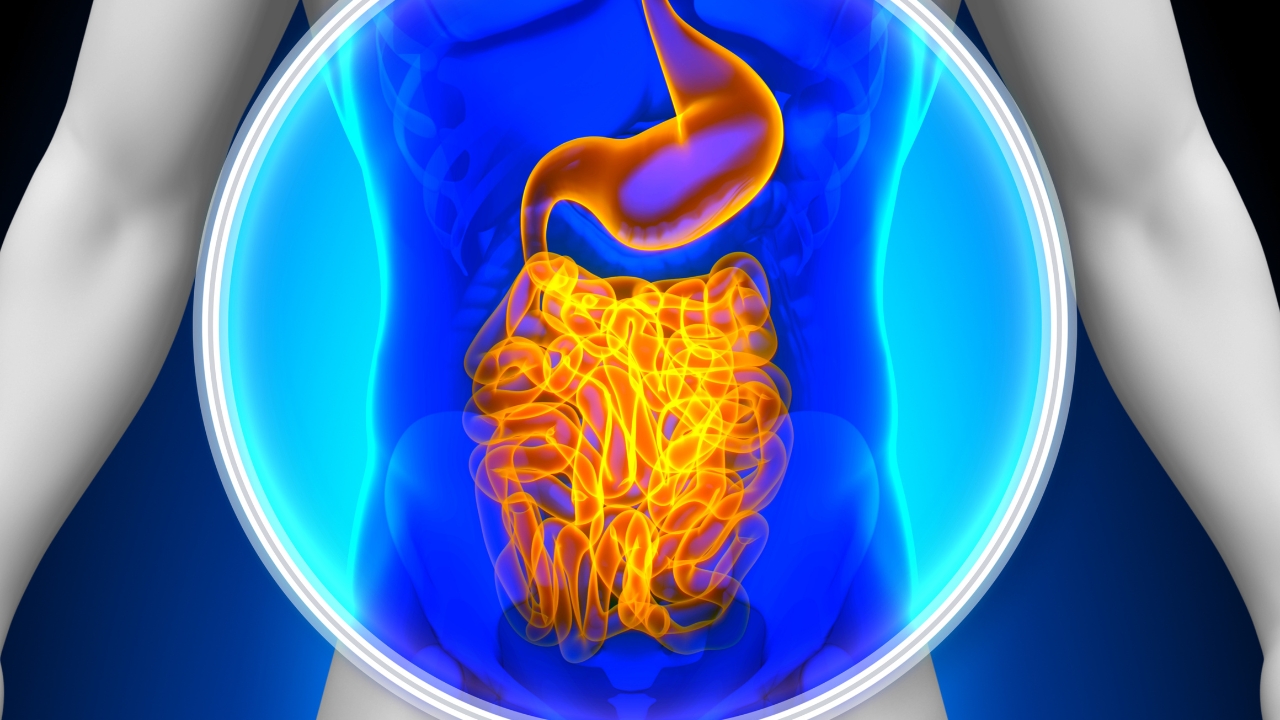
Today we will discuss something very significant — your stomach, otherwise called your Gut! Your Gut assists separate the food you with eating, giving your body energy to play, learn, and develop. At the point when you eat quality food sources like organic products, veggies, and entire grains, you’re feeding your gut good bacteria that help keep you strong and happy. A sound stomach likewise supports your resistant framework, safeguarding you from becoming ill. So remember, dealing with your Gut resembles giving your body a unique safeguard for a better you!

What is Gut Health?
The balance and functionality of the bacteria, viruses, fungus, and other microorganisms that inhabit your digestive tract, particularly your intestines, are referred to as gut health. These microorganisms are essential for the digestion of food, absorption of nutrients, and defense against pathogenic germs. A healthy gut influences your immune system, aids in digestion, and even has an impact on your emotions and cognitive abilities. Consuming a well-balanced, high-fiber diet, drinking plenty of water, and avoiding processed foods that could upset your gut’s healthy bacteria are all important aspects of gut health.
So Here are some important points to help heal and take care of a child’s gut health:
- Limit antibiotics- Antibiotics have the ability to upset the normal bacterial balance in the stomach. Antibiotics eliminate pathogenic bacteria, but they also eliminate beneficial bacteria that support immune system and digestion. This can impact the gut’s ability to heal itself by causing problems like diarrhea, reduced immunity, or even chronic intestinal imbalance. A healthy gut environment can be restored and maintained by putting more of an emphasis on probiotics, fiber-rich foods, and a balanced diet rather than antibiotics, Only give when it is necessary.
- Add some live fermented food- Here are some child-friendly live fermented foods that can help heal gut health:
- Yogart– To promote good gut flora, go for plain, unsweetened yogurt that is high in
probiotics. - Kefir-A mild, lactofermented beverage that is high in probiotics and easy to digest.
- Pickles– A crunchy, delicious source of beneficial bacteria are naturally fermented pickles (without vinegar).
- Miso sauce- Fermented soybeans are used to make miso, which is mild on the stomach and improves digestive health.
- Fermented Carrots– A pleasant and healthful alternative that’s great for kids.
These can gently and naturally increase helpful bacteria, which can help improve a child’s gut health.
- Drink plenty of water- Water is essential for gut health because it helps the body absorb nutrients, breaks down food, and promotes regular bowel movements. It helps eliminate waste and toxins from the body, keeps the environment in the gut balanced, and avoids In addition to safeguarding the digestive tract and enhancing general gut health, adequate hydration also maintains the mucosal lining of the gut moisturise.
- Cut down Processed food- Because processed food is not derived from the natural world, it is deficient in nutrients like fiber, vitamins, and minerals that are essential for healthy growth and development. Preservatives, colors, flavors, and high sugar content found in processed foods can upset the balance of good bacteria in the gut and cause unwanted fat to build up in the Thus, this low-nutrient food weakens children’s immune systems, making them sicker over and over.
- Add fruits and Vegetables- It is essential for a child’s growth and well-being that their diet contain fruits and vegetables. Here are a few fantastic choices:
- Berries- Rich in vitamins and antioxidants are raspberries, blueberries, and strawberries.
- Carrots- You can eat them raw or cooked, and they are high in vitamin A and beneficial to your eyesight.
- Apples- Packed in fiber and ideal as a snack, especially when left skin-on.
- Spinach- Packed with vitamins and iron, this vegetable can be added to pasta meals or smoothies.
- Sweet Potatoes- Packed with vitamins and fiber, these make a delightful and nourishing side dish.
You can make sure youngsters get the nutrients they need to develop strong and healthy by including a range of bright fruits and vegetables.
- Law Fat Cheese- Low-fat cheese is a wholesome addition to a child’s diet because it lowers fat intake while still giving vital minerals like calcium, protein, and vitamins. It keeps youngsters’ teeth and bones strong throughout their growing years and is a versatile food that they can eat in sandwiches, snacks, or melted over vegetables. It supports general growth and well-being by offering balanced nourishment free of harmful fats.
- Playing Outside- Kids who play outside are more likely to have stronger immune systems, a more diverse gut microbiota, and more exposure to new surroundings. Sunlight exposure gives vitamin D, which is essential for gut health and a robust immune system, while physical activity helps bowel motions and stimulates digestion.” A healthier, more balanced gut is a result of all these variables combined.

A mix of wise dietary and lifestyle decisions is necessary to restore and preserve your child’s gut health. To support a balanced gut microbiome, incorporate foods high in probiotics, such as yogurt and kefir, and high in fiber, such as fruits and vegetables. Reduce your intake of processed and sugary foods, as these can cause digestive problems, and make sure your child is well hydrated by urging them to drink lots of water. Use antibiotics with caution, only prescribing them when absolutely essential to prevent upset gut flora. Frequent physical activity and outdoor play are also beneficial for intestinal health. By implementing these habits, you can support your child’s general well-being and development of a strong, resilient stomach.