As parents and caregivers, we all share a common dream: to see our children thrive, their minds buzzing with curiosity and their hearts alight with a love for learning. But let’s be honest, the traditional image of rigid desks and rote memorisation doesn’t exactly spark joy.
What if we could tap into the boundless energy and natural inquisitiveness of childhood, transforming learning from a chore into an adventure? The good news is, we absolutely can! The secret lies in weaving fun into the education fabric, making every discovery a delightful experience.
This isn’t about dumbing down concepts; it’s about making them accessible and engaging. Think of it as planting seeds of knowledge in fertile ground, nurtured by laughter and play. So, grab a cup of your favourite beverage, settle in, and let’s explore some fantastic ways to unlock the magic of learning through fun!
Toys That Teach (Without Whispering “Education!”)
Forget the boring flashcards (unless they’re part of a hilarious game!). Educational toys have come a long way, cleverly disguising learning within captivating play. Here are a few categories to consider:
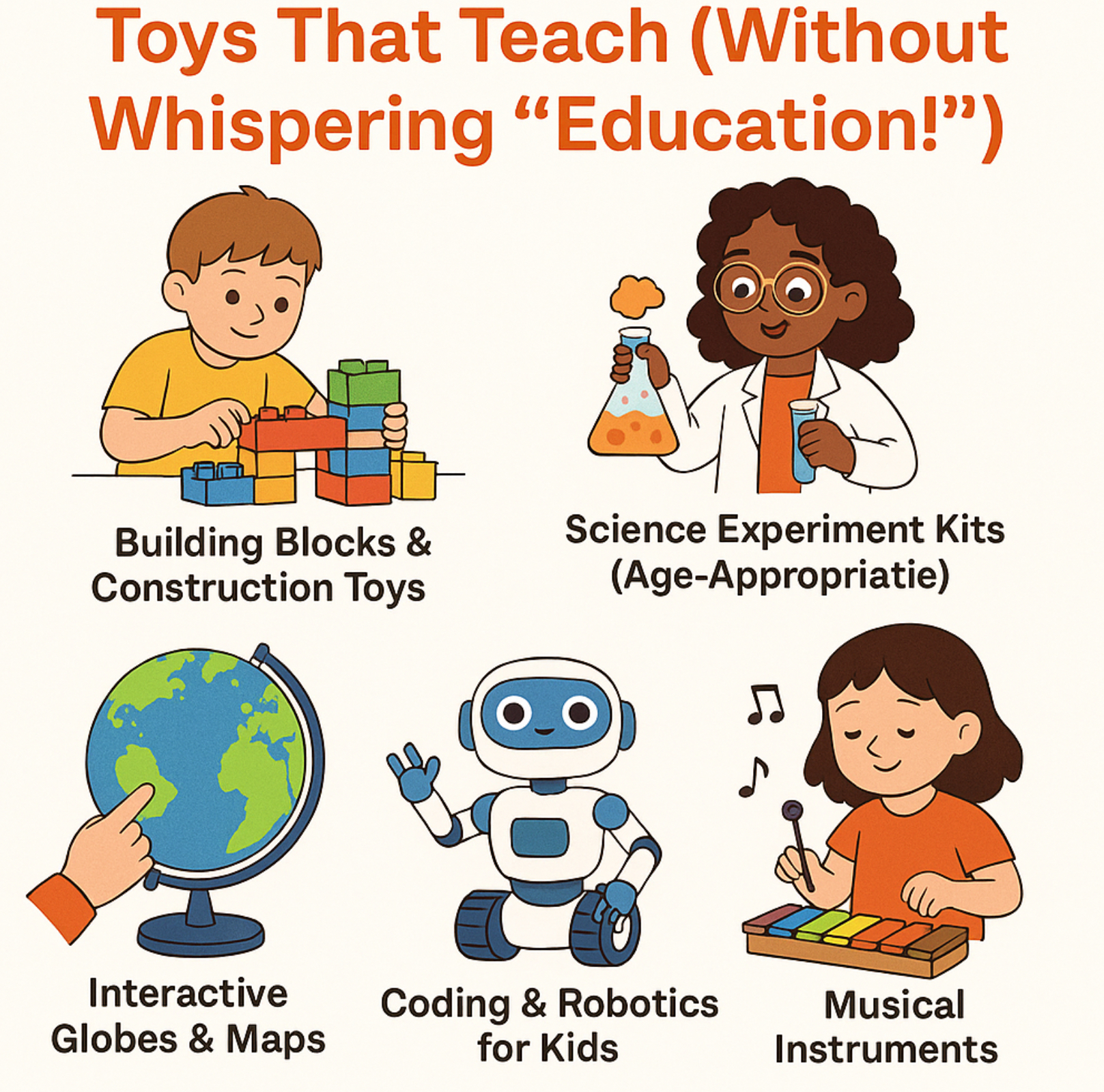
- Building Blocks & Construction Toys: From classic LEGOS to magnetic tiles and intricate wooden sets, these toys foster spatial reasoning, problem-solving skills, creativity, and fine motor development. The joy of building a towering castle or a futuristic spaceship naturally leads to understanding concepts of balance, structure, and engineering.
- Science Experiment Kits (Age-Appropriate): Introduce the wonders of the scientific method with safe and engaging kits. Think volcano eruptions, crystal growing, or simple circuit building. These hands-on experiences spark curiosity about the world around us and lay the foundation for scientific thinking.
- Interactive Globes & Maps: Turn geography into an exciting exploration! Talking globes that share facts about different countries, puzzle maps that challenge spatial awareness, and augmented reality experiences that bring locations to life can ignite a passion for travel and global understanding.
- Coding and Robotics for Kids: Early coding toys and simple robots can teach kids how to think logically, sequence, and solve problems in a fun way. Think of programmable robots that respond to straightforward commands or colourful block-based coding systems.
- Musical Instruments: Whether it’s a simple xylophone or a child-sized keyboard, musical toys enhance auditory skills, rhythm, and even mathematical understanding through patterns and counting. Plus, the joy of making music is priceless!
Tips: Rotate toys regularly to keep things fresh and exciting. You can also design themed play areas that help kids learn specific subjects. Books That Bloom Imaginations and Minds
Books are magical portals to new worlds and ideas. Choosing the right books can stroke a love of reading and learning that lasts a lifetime. Here are some recommendations for different age groups:
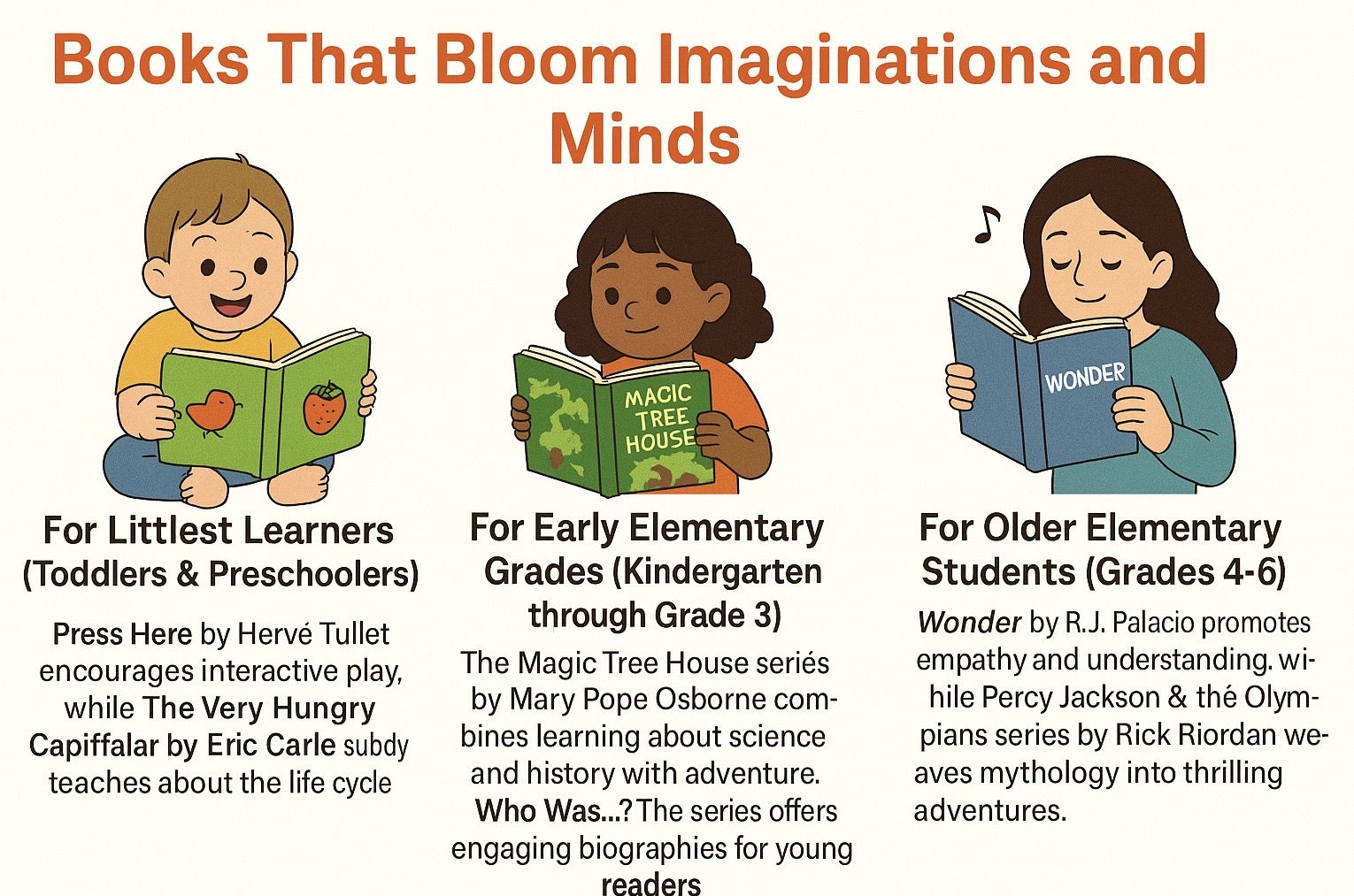
- For the Littlest Learners (Toddlers & Preschoolers): Look for board books with bright illustrations, simple text, and interactive elements like textures or lift-the-flaps. Concentrate on concepts such as animals, colours, shapes, and numbers. Don’t underestimate the power of rhyming and repetition to build language skills.
Recommendation: Press Here by Hervé Tullet encourages interactive play, while The Very Hungry Caterpillar by Eric Carle subtly teaches about the life cycle.
- For children in the early elementary grades (Kindergarten through Grade 3): Introduce books that combine entertaining tales with factual data. Think about books that explore science concepts through narrative, introduce different cultures, or delve into historical figures in an accessible way.
Recommendation: The Magic Tree House series by Mary Pope Osborne combines learning about science and history with adventure. Who Was…? The series offers engaging biographies for young readers.
- For older elementary students (Grades 4-6): encourage independent reading with chapter books that explore more intricate themes and introduce new vocabulary. Look for books that spark curiosity about history, science, and different perspectives.
Recommendation: Wonder by R.J. Palacio promotes empathy and understanding, while the Percy Jackson & the Olympians series by Rick Riordan weaves mythology into thrilling adventures.
Tips: Make reading a cosy and enjoyable experience. Create a special reading nook, visit the library regularly, and let your child choose books that genuinely interest them.
Early Learning Hacks: Making Everyday Moments Educational
Learning doesn’t always need to be structured. There are countless ways to weave educational moments into everyday activities:
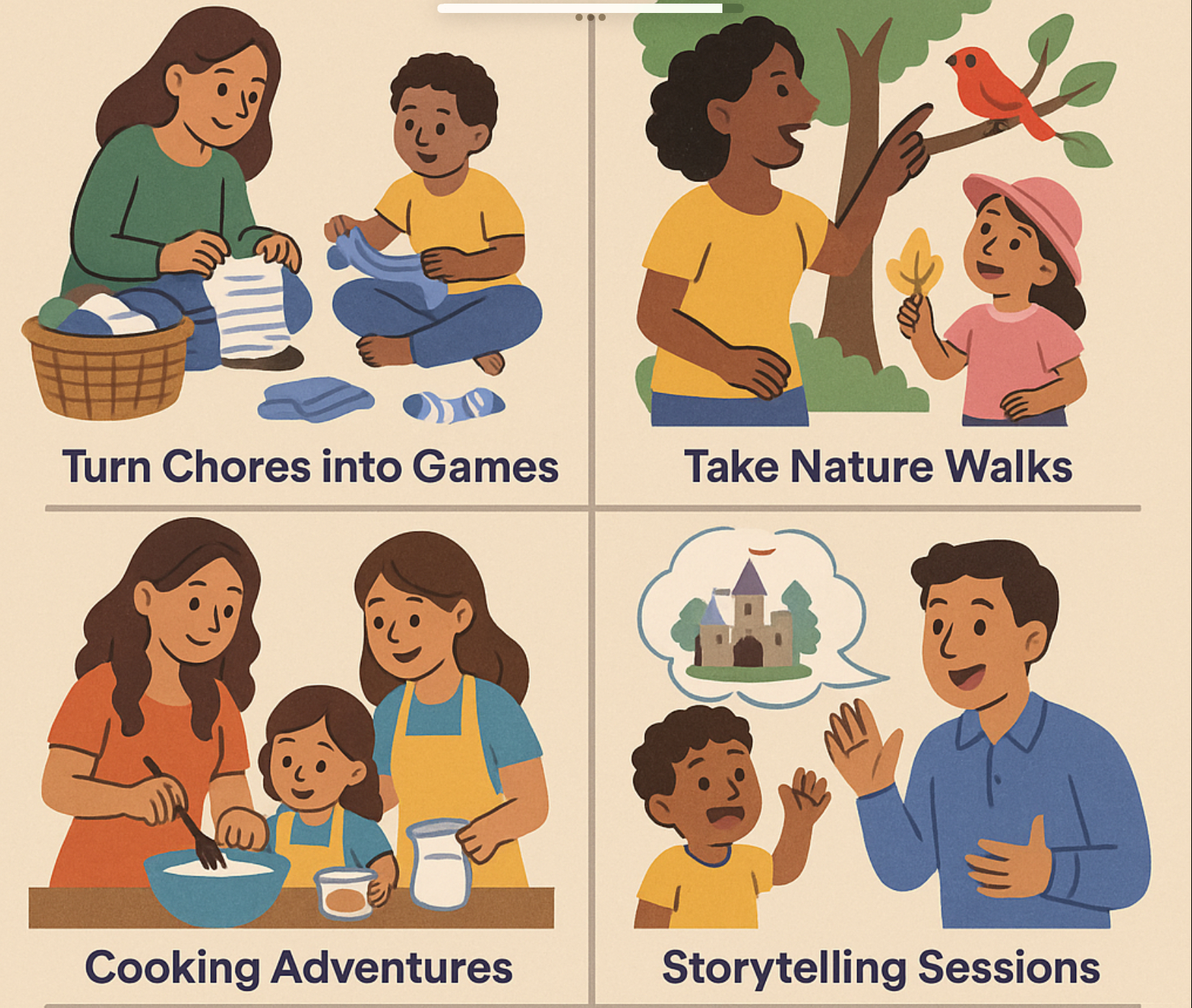
Turn Chores into Games: Make counting fun by counting socks while doing laundry, or turn grocery shopping into a scavenger hunt for different fruits and vegetables.
Take Nature Walks: Go outside and talk about the weather, plants, and animals you see. Collect leaves, identify birds, and discuss the importance of nature.
Cooking Adventures: Involve children in simple cooking tasks. Measuring ingredients introduces math concepts, while discussing where food comes from expands their understanding of the world.
Storytelling Sessions: Encourage imaginative thinking by telling stories together. Take turns adding to the narrative or act out scenes.
Pose Open-Ended Questions: Rather than asking questions with straightforward yes/no responses, ask, “Why do you think that happened?” or “What could happen next?” to encourage critical thinking.
Embrace Mistakes as Learning Opportunities: Reassure children that it’s okay to make mistakes. Frame them as opportunities to learn and try again.
Pro Tip: Be present and engaged during these moments. Your enthusiasm for learning will be contagious!
The Joyful Journey of Discovery
Learning should be an exciting journey of discovery, fueled by curiosity and joy. By incorporating educational toys, engaging books, and playful learning hacks into our children’s lives, we can empower them to become lifelong learners who are not only knowledgeable but also passionate about the world around them.
So, let’s ditch the pressure and embrace the fun! Let’s create an environment where learning is an adventure, and every day holds the potential for a delightful “aha!” moment. After all, the most effective learning happens when little hearts and minds are happy and engaged.